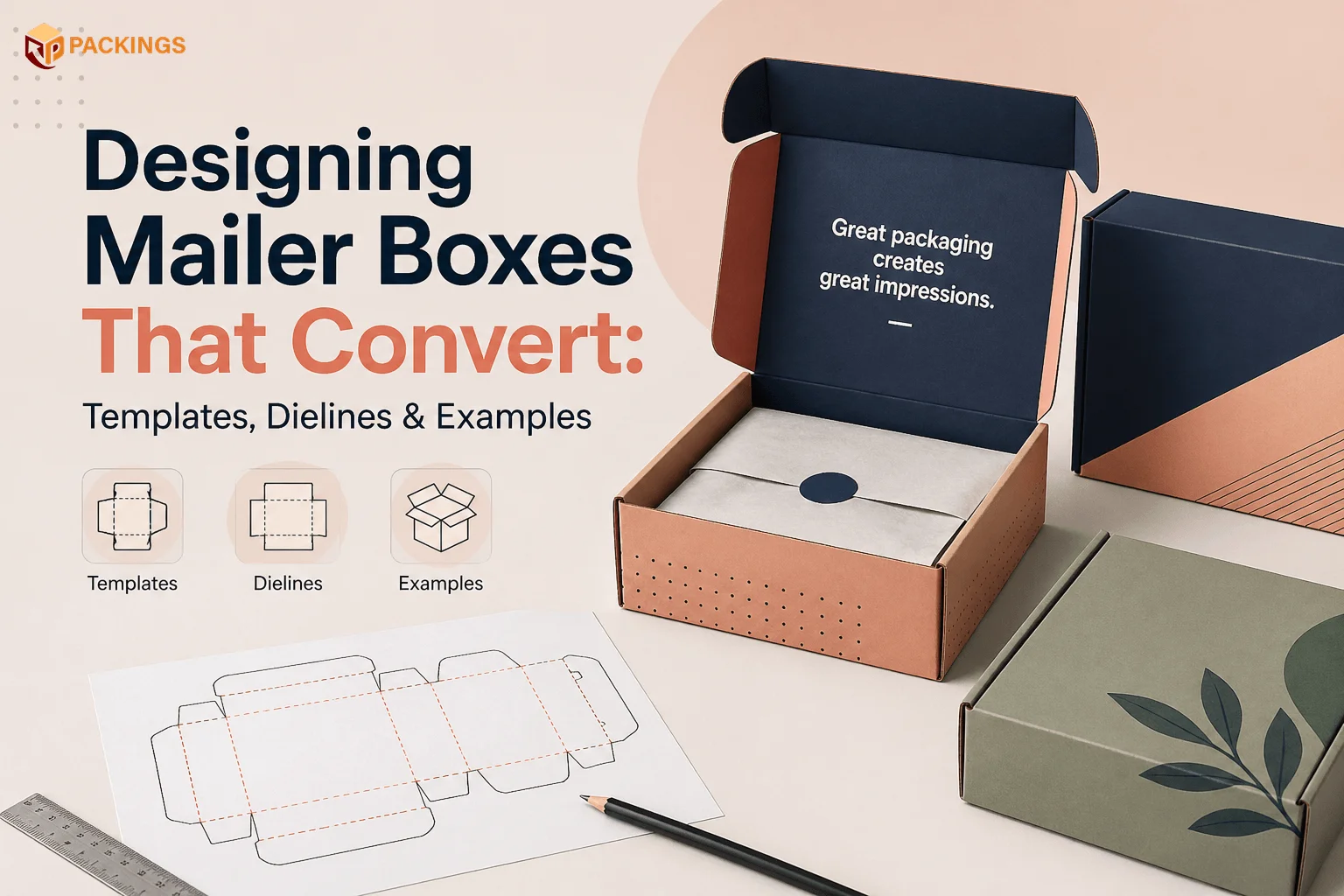
E-commerce companies that use custom mailer boxes usually see a repeat purchase rate increase of almost 30% over those using plain shipping boxes. A performance gap exists because a custom mailer box, as specifically designed, optimizes protective qualities, branding, and presentation into one product category. In contrast to standard RSC cartons, mailer boxes do not require any exterior packaging, making them a more economical option while also being more visually pronounced.
A custom mailer box is designed to add packaging density, as opposed to using void fill materials and/or labor in the fulfillment center. The advantages of a custom mailer also extend to an apparel retailer and their fragile products, protecting while creating branded experiences that create tactile and visual affinity to build brand loyalty. This is why you see so many small businesses using custom mailer boxes; it allows them to develop their branded materials in volume without increasing shipping costs.
When you have designed a custom mailer box that includes inserts as part of the packaging design, you have a shipping container and a marketing device at the same time if the inserts are engineered with design intent and associated dielines.
Dielines: The Foundation of Every Custom Mailer Box
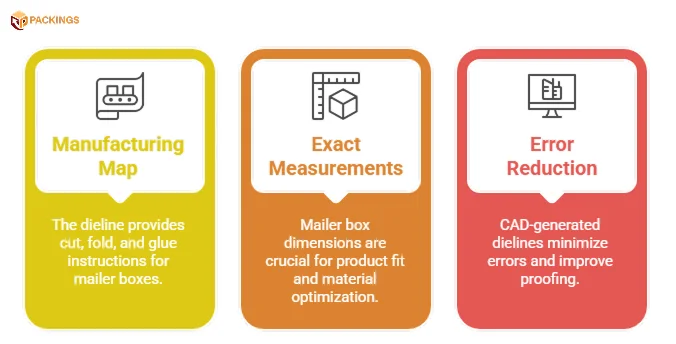
The dieline is all the specific cut/fold/glue area instructions for a custom mailer box. It is the manufacturing map that ensures your printing artwork aligns perfectly with the structure of your product. A minor error with the dieline can result in an off-center logo, inaccurate folds, and assembly delays.
Every mailer box design starts with exact measurements, as length, width, and depth, to fit the product perfectly. This ensures not using extra materials and that the product will not move around while in transit. Standard mailer box dimensions like 9x6x3 or 12x9x4 are good fit for some common e-commerce products, but custom can be adjusted to any size to optimize for brands.
Custom mailer box manufacturers today employ CAD-generated dieline templates that drastically reduce errors and improve proofing. If you know and understand dielines, you can reduce all production waste, don’t have to pay to rerun prints, and the brand quality stays at its best with every production run.
Effective Design Principles for Custom Mailer Boxes
Excellent mailer box designs are a balanced combination of clarity of branding and precision in manufacturing. The intention is to design packaging that expresses the identity without causing any visual confusion to the user's eyes.
Successful designs will be based on three clear principles:
- Right brand hierarchy: Logos, taglines, and color palettes must be recognized in the same order on every printed surface to ensure immediate brand recognition.
- Appropriate placement of design: Designers should position vital artwork to avoid being close to creases, folds, and glue sections of the die line so that they do not distort once the box goes through the assembly process.
- Proper materials cooperation: Box coatings and print selections must be aligned to the substrate. For instance, CMYK digital ink printing must be matched with matte coated kraft, or else offset print will result in a sharper image on gloss stock.
Minimalist layouts have been in recent years the most practical trending customizable mailer box designed for clean visuals that photograph well for unboxing content. On the other hand, bold patterns and gradient finishes work best for lifestyle or subscription brands that are trying to associate their brand with distinctiveness.
Mailer Box Inserts and Internal Structure
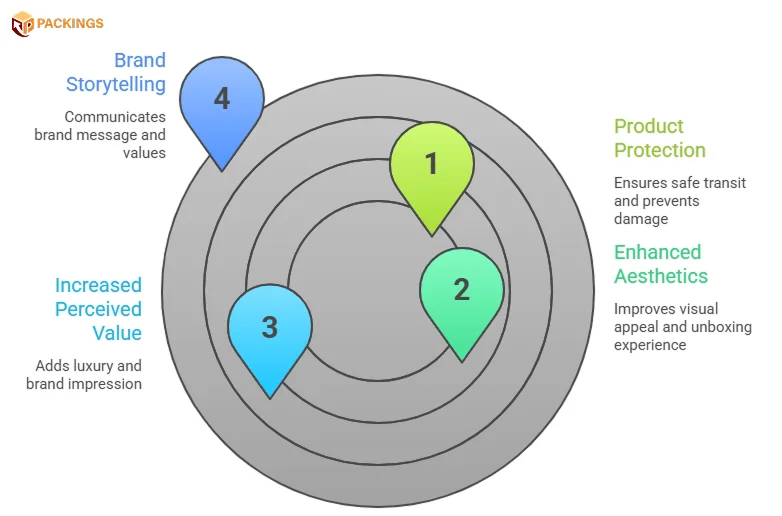
Inserts play a significant role in the performance of mailer boxes with respect to protection and aesthetics. A well-designed mailer box insert will keep products secured during transit and free from damage. Inserts, in addition to keeping things intact, increase the perceived value of the product by arranging the interior experience and adding an element of unboxing flow.
There are many different options for inserts, such as foam blocks, cardboard inserts, corrugated trays, and wraps with paper. Foam inserts work well for electronics, candles, or things made of glass, as they can create customized-shaped cavities and are resistant to shock. Corrugated inserts are common for apparel or accessories to provide something with a structure in an eco-friendly fashion. Many brands will also create some sort of layered paper insert that has messaging or QR codes to minimize the packaging while storytelling.
The same mailer box insert that saves your product from damage also provides a visual frame that exists to show off the product itself. For example, the subscription beauty box could deliver an entire box of products with all different colors within a colored insert that contrasts the colors of the products to the brand's tone, therefore increasing the perceived value of luxury.
Case Examples: Brands Using Custom Mailer Boxes for Conversion
Subscription branding has long shown how customized mailer boxes can drive up repeat sales and social engagement for the business. Companies like Birchbox and FabFitFun have taken plain shipping and transformed it into a marketing opportunity by designing and engineering product packaging.
For smaller e-commerce sellers, moving away from a standard carton to personalized mailer boxes has not only reduced returns due to breakable items but also fostered loyalty gained from premium branding design. Local artisan brands also leverage low print run mailer box options to create professionally customized packaging without minimum bulk order requirements.
In every single one of these cases, however, it proves one thing: packaging is an included sales tool. Good mailer box package design not only attracts attention, but also protects value and maintains trust well after the delivery arrives.
Pre-Print and Production Checklist for Custom Mailer Boxes
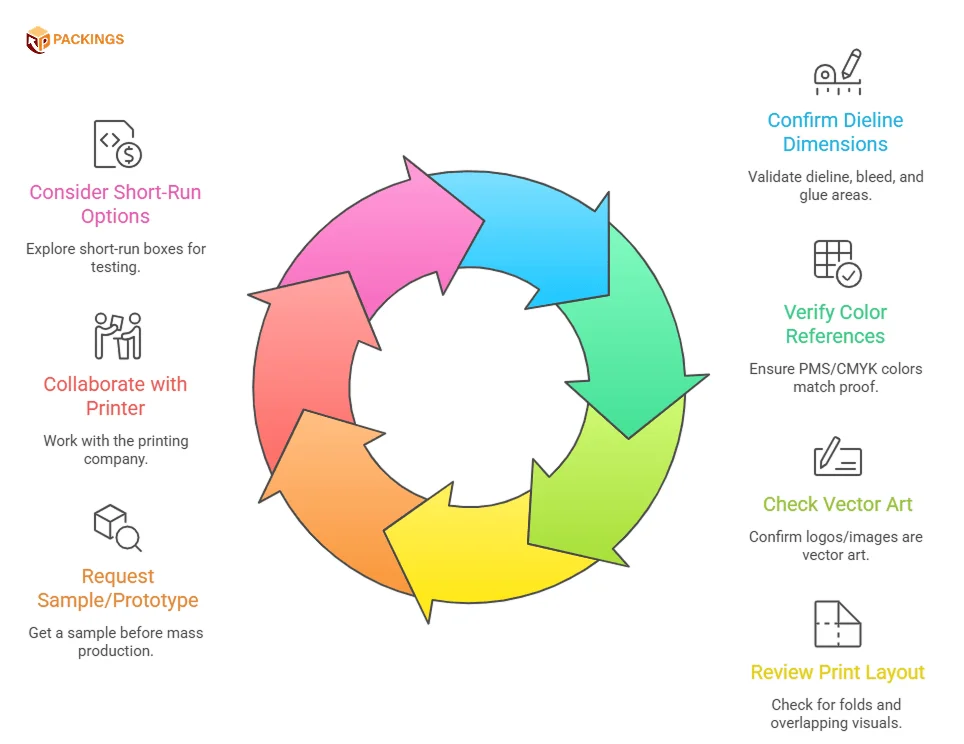
Prior to starting production, teams must validate that production is ready. This will help avoid any expensive re-runs and ensure that colors are accurate for the art.Confirm the dimensions of the dieline, bleed, and glue areas.
-
Confirm the PMS or CMYK color references match the approved proof.
-
Ensure that any logos and/or images are vector art (high resolution at 300 dpi minimum preferred).
-
Review the print layout for all folds and for overlapping panels or visuals.
-
Ask for a sample or prototype of the design prior to mass production.
Working closely to collaborate with your mailer box printing company will ensure an expected result and quicker lead time. Brands that wish to produce low-quantity batches should consider short-run, customizable mailer boxes printed with their logo for a somewhat affordable test run before a larger print production.
Final Thoughts
Custom mailer boxes are uniquely designed to perform dual functions: protection and brand storytelling. When brands understand the components of mailer box design, dielines, inserts, and prepress execution, brands can deliver more consistent quality and leave lasting impressions on customers.
Whether shipping skincare, clothes to wear, or artisan goods, brands that use optimized inserts and print an accurate mailer box consistently outperform brands that use standard packaging. Investing in this discipline of design builds brand authority, increases efficiency in logistics, and improves conversions.
Are you ready to elevate your packaging program? Let Packings.co design, print, and ship your custom mailer boxes that leave a lasting impression about your brand's quality and value.
Begin your project today, and source from a custom packaging supplier that has experience in design and production.