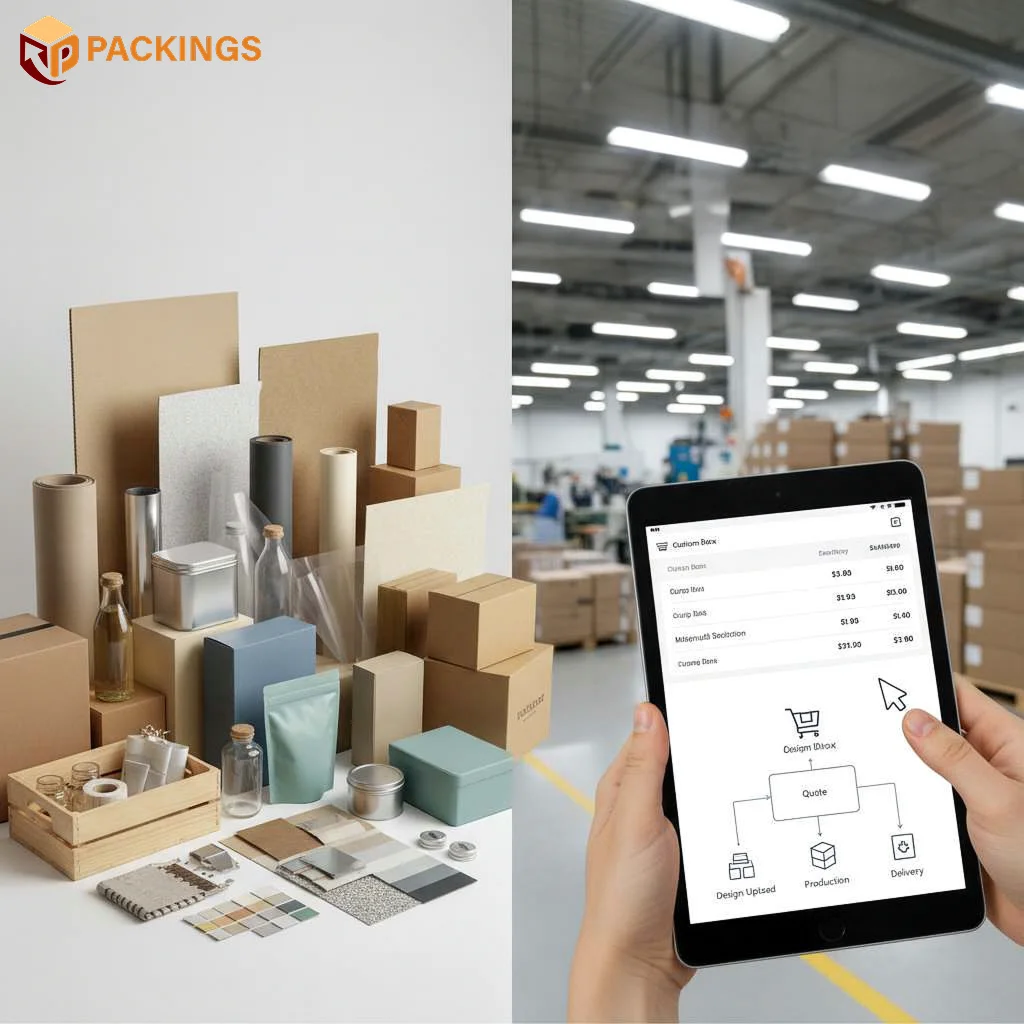
Custom packaging helps deliver the product safely and helps stand apart on the shelf. More than 72% of consumers say that packaging design impacts their purchasing decisions, and an impressive 81% of shoppers will try a new product simply because the packaging caught their eye. Packaging is fuel to increase sales, logistics, and brand image across different sectors in the United States, which is why the packaging sector ships billions of items per year and creates hundreds of thousands of jobs.
Get to know about the processes for explaining materials, prices, design choices, ordering, testing and sustainability. Every section offers brief lists and straightforward steps to help buyers happy and maintain quality while saving time and money.
How to Buy Custom Packaging Easily | A Step-by-Step Guide
For a product, packaging defines the initial impression and rapidly reveals the brand. Strong packaging protects goods during shipment and lowers returns, therefore preserving the brand name in the long run and saving costs. Here is a methodical approach to obtain them based on your criteria.
Types of materials and when to use them
Corrugated Cardboard
- Strong protection for fragile or heavy items
- Ideal for long-distance shipping or pallet stacking
Paperboard
- Clean, retail-ready appearance
- Shows printed colors well
- Best for lightweight, shelf-displayed products
Rigid Boxes
- Premium, gift-worthy presentation
- Great for jewelry, electronics, and unboxing experiences
Flexible Pouches
- Lightweight and space-saving
- Suited for food, powders, and small goods
- Reduces shipping bulk
Recycled & Compostable Materials
- Supports sustainability goals
- Appeals to eco-conscious customers
Key Consideration
- Balance protection, cost, weight, and recyclability
- Choose based on how the product moves from warehouse to buyer
How packaging parts change the price
Material choice, print options, box size, and order quantity set the final per-unit price. Custom inserts improve protection but add tooling and labor costs. Ordering larger custom printed boxes for e-commerce lowers the per-piece price but raises the total money up front.
Ask suppliers to show setup, production, and shipping as separate line items so the quote stays clear and simple to compare. Clear cost breakdowns help pick the right balance between look, protection, and budget.
Design choices that shape cost and look
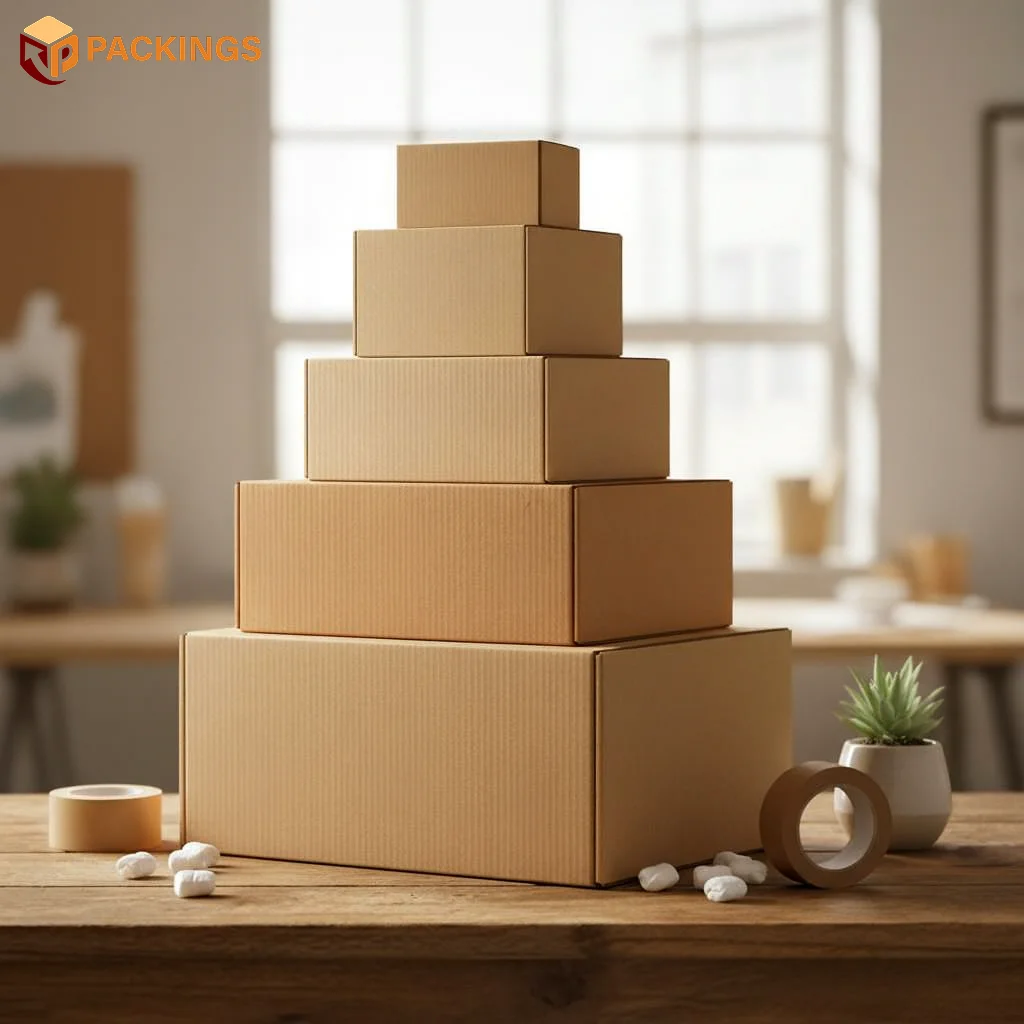
Design affects how buyers see the product and also affects price. Full-color, full-wrap printing looks high-end but costs more than one-color print. Die-cut windows show the product and add visual interest, yet they add labor and can limit recycling options.
Pick a box structure—tuck-top, auto-lock bottom, or mailer box like Tuck Top Mailer Boxes —based on how fast packing needs to happen and how the product ships. Request a dieline and a mockup to verify fit before full production starts.
Simple ways to cut packaging cost
- Use single-color printing for logos and main design elements to lower ink and setup charges while keeping strong branding across packages.
- Choose stock dielines instead of fully custom shapes to save on tooling costs and to speed up production without losing a good fit.
- Order slightly larger batches to reduce the per-piece price while keeping storage needs sensible and avoiding frequent reorders.
Fast branding upgrades that add perceived value
- To immediately provide the box a smooth, upscale feel that customers would notice, use a matte varnish or soft-touch laminate.
- To create a rich look with only a small extra cost instead of a full-color change, use a single-color foil stamp for the logo.
- Put a handwritten thank-you note in the box to build a personal connection and motivate repeat business and positive reviews.
Essential packaging tests to run
- Run a fit test with the final product and the chosen insert so nothing moves during transport and the product arrives intact.
- Perform a drop test from common transit heights to find weak seams and to add protection where it matters most before the full run.
- Do a compression test to make sure stacked pallets won't crush the things in storage and that the products stay safe while they're being moved.
Early and frequent testing avoids expensive returns and dissatisfied consumers. Get accurate results by using actual shipment samples and typical transportation means.
How to estimate an order cost step-by-step
- Select a box design and a material that fit the demands of the goods as well as the intended budget to strike a compromise between price and protection.
- Choose finishing and print choices like varnish, foil, or embossing that influence setup costs and define the appearance.
- Choose a quantity and ask for tiered pricing to view unit cost variation with volume and where savings show.
- Include die-cut configuration charges or equipment in the overall estimate to prevent unexpected fees on the last bill.
- Include import taxes, storage, and shipping to the final amount to illustrate the actual landed cost before the order starts.
To get the perfect combination of price, lead time, and inventory, ask for sample quotations for 100, 500, and 2,500 units. Looking at levels makes it easier to find the best run size based on cost.
Minimum order quantities and lead times
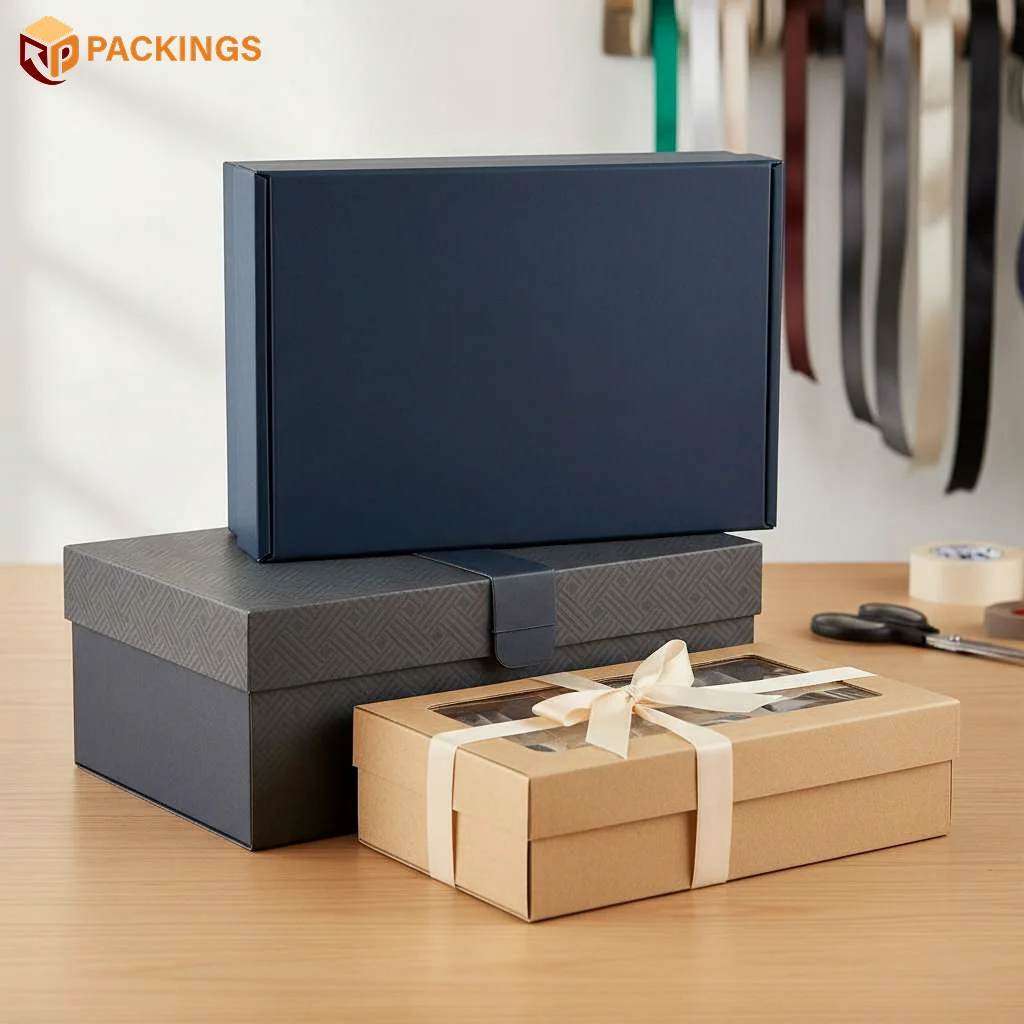
Expect minimums that vary by box type and by supplier. Printed paperboard boxes common minimums start near 250–500 units while Custom Rigid Boxes normally need larger minimums. Custom print runs and premium finishes usually take 1 to 2 weeks from approval to delivery depending on factory capacity and shipping method.
Rush services shorten lead times but add fees that appear on the invoice. If speed matters, choose stock sizes, simple prints, or local suppliers to cut transit time and to avoid long ocean freight delays.
How to place an order | A clear checklist
Dieline & Fit
- Finalize the dieline
- Ensure it fits the product properly (no bulges or tight closures)
Artwork Requirements
- Provide print-ready files
- 300 DPI, CMYK format for accurate color output
Specification Sheet
- Include material type and thickness
- List finishes, inserts, and any special construction details
Quantities & Pricing
- Confirm order quantities and price tiers in writing
- Add shipping terms and a firm delivery date
Sample Approval
- Require written approval of the sample before production
- Locks design and prevents costly rework
Sustainability and recycling choices
Buyers prefer brands that opt for green packaging and that cut down waste. Pick stocks that can be recycled and do not choose mixed-material laminates as they will hinder recycling. Also they will incur sorting costs. You should use water-based coatings and inks that can be readily recycled.
For lower environmental effect and a clear dedication to sustainable paper, ask paperboards manufactured with recycled materials. Make sure the box has clear recycling instructions so the buyer knows how to handle the parts correctly.
Quality checks when goods arrive
When boxes arrive, open several cartons and inspect samples for print color and material quality against the approved mockup. Test a few boxes for fit and strength by placing the product and the inserts inside and simulating how the package will move in transit.
Take clear photos of any defects and send them to the supplier with concise notes that reference the approved sample so fixes happen fast. Hold final payment or ask for rework if shipments do not match the agreed specs so budgets and buyers stay protected. Strong quality checks lower return rates and keep the customer experience solid.
Pricing examples and rough ranges
Basic kraft mailers with no print cost very little per unit and suit light items that need little protection while keeping shipping costs low. Two-color printed paperboard runs at about 500 units cost more but fit many small brands that want a nice shelf look without high spend. Full-color Custom Corrugated Boxes and mailers in runs above 1,000 units move per-piece cost into a mid-range that balances protection and visual appeal for growing stores.
Rigid set-up boxes in small batches carry the highest per-unit price and work best for luxury items where the opening moment drives emotion and repeat sales. Use these ranges as starting points and get quotes to see exact figures for chosen materials and quantities.

How to work well with a packaging supplier
Share specific criteria, actual product samples, and strict deadlines with the supplier as if they were a production partner to keep the project running easily. Request prototypes and provide brief, clear criticism to enable rapid modifications and prevent misreading.
Negotiate better pricing for repeat orders and growing volume to lower costs across future runs. Keep a backup supplier to reduce risk if the primary factory faces delays or capacity limits. Good supplier ties cut errors, shorten lead times, and help control cost over many projects.
Make Your Next Launch Stand Out with Custom Printed Packaging Boxes
Ready to make the product look better and to protect it in transit? Choose Custom packaging that matches the brand and the budget and request a sample mockup and an estimate to see the difference in hand. Try a few small upgrades to watch the unboxing moment lift buyer delight and repeat sales. Make the next launch stand out with smart materials, clean artwork, and neat finishing touches using custom printed boxes wholesale offered by Packings.
FAQs
What are common hidden fees when ordering boxes?
- Setup or die fees for printing plates or cutting dies often appear and add to upfront cost.
- Tooling fees for custom inserts or molds raise prototype and initial production expenses.
- The landed cost might be greatly affected by varying weight and distance-dependent freight expenses.
- Total cost increases from storage charges that arise from items sitting in a warehouse prior to pickup.
- International shipments' customs, taxes, and levies might increase the overall cost.
- Rush charges are incurred when the factory advances work to satisfy tight deadlines.
Which sustainable coatings still look premium?
- Water-based varnishes give a glossy or smooth finish and keep recyclability higher than heavy plastics.
- Matte and soft-touch laminates deliver a luxury feel while avoiding many mixed-material problems.
- Use spot coating instead of full lamination to save material and to highlight key branding parts.
- Choose recyclable foils when a metallic look matters to brand identity and to keep choices greener.
- Avoid mixed-material laminates that harm recycling streams and complicate disposal.
- Confirm recyclability claims with the material supplier so labels match local waste systems.
How to calculate per-unit price for Custom packaging?
- Include setup, equipment, and printing costs together with material expenses to arrive at the manufacturing total before shipment.
- Add freight, taxes, and storage fees to get the real landed cost, which influences margins.
- To determine the unit price and establish retail goals, divide the total cost by the quantity of units in the order.
- Ask for tiered pricing so you can see where cost breakpoints are and how unit cost changes as volume increases.
- Account for projected damage and return rates to maintain consistent profit and ensure the pricing addresses actual loss.
- Check the unit cost versus target margins to guarantee the product sells profitably sustainably.